

Here is the short answer on R06A vs K6A. Both are Suzuki 658 cc three-cylinder kei car engines with twin cams and 12 valves, and both came in plain and turbo versions. The K6A is the older engine, used from 1994 until 2018. It has a short-stroke design that likes to rev. The R06A replaced it from 2011 onward. It has a long-stroke design built for low-speed torque, less friction and better fuel economy. The two are not interchangeable. The engine you need depends on your vehicle’s model code: a Wagon R MH23S, Every DA64V, Carry DA63T or Jimny JB23W takes a K6A, and a Wagon R MH34S, Every DA17V, Carry DA16T or Jimny JB64W takes an R06A.
We sell both, in large numbers. We have more than 1,400 R06A engines and more than 1,000 K6A and K6A turbo engines. They come from Suzuki models and from the Nissan, Mazda and Mitsubishi versions built by Suzuki. Every listing names the donor vehicle, its model code and its year, so you can match it to yours. Start with an R06A from a Wagon R MH34S, a K6A from a Wagon R MH23S, or the van and truck engines below. We ship worldwide.

R06A vs K6A at a glance
Outputs vary between models and between plain and turbo versions. The figures below come from Suzuki’s own specification sheets for specific models.
| K6A | R06A | |
|---|---|---|
| Engine family | Suzuki K series | Suzuki R series |
| First used | November 1994 (Alto Works) | January 2011 (MR Wagon) |
| Displacement | 658 cc | 658 cc |
| Layout | Inline three, DOHC, 12 valves | Inline three, DOHC, 12 valves |
| Bore x stroke | 68.0 x 60.4 mm (short stroke) | 64.0 x 68.2 mm (long stroke) |
| Construction | All-aluminium, semi-wet liners | Deep-skirt block, cast-iron bearing caps |
| Cam drive | Timing chain | Timing chain |
| Variable valve timing | VVT on later engines | Intake and exhaust VVT on many engines |
| Example plain output | 40 kW (54 PS), 63 Nm (Alto HA25S) | 36 to 38 kW (49 to 52 PS), 58 to 63 Nm (Alto HA36S) |
| Example turbo output | 47 kW (64 PS), 106 Nm (Jimny JB23W, 2001) | Turbo in Jimny JB64W, Wagon R, Spacia, Every and more |
| Hybrid assist | No | S-ENE CHARGE and mild hybrid versions |
| Our listings | K6A engines | R06A engines |
The K6A details come from Suzuki’s own K-series engine history, and the R06A details from Suzuki’s R-series engine history. The Alto figures come from Suzuki’s specification sheets for the HA25S Alto and the HA36S Alto. The Jimny turbo figures come from Suzuki’s 2001 Jimny JB23W specification sheet.
R06A vs K6A: same size, opposite thinking
Both engines are exactly 658 cc, which keeps them inside Japan’s 660 cc kei car limit. What changed is the shape of the cylinder.
The K6A has a wide 68.0 mm bore and a short 60.4 mm stroke. Suzuki describes it as a short-stroke engine designed to rev sharply and to take variable valve gear. It is all-aluminium, with a timing chain, semi-wet cylinder liners and a metal head gasket, according to Suzuki’s K-series history page.
The R06A turns that around. It has a narrower 64.0 mm bore and a longer 68.2 mm stroke. Suzuki chose the long stroke to improve torque at low engine speeds, which is what most kei cars, vans and trucks need in daily use. Suzuki also says the R06A has about 10 percent less friction than the K6A, thanks to low-tension piston rings and resin-coated piston skirts. Its forged steel crankshaft has pins and journals about 16 percent smaller in diameter than the K6A’s, which saves weight. All of this comes from Suzuki’s R-series history page, which also says the R06A was the first naturally aspirated kei car engine with variable timing on both the intake and exhaust cams.
So the R06A vs K6A difference is not about size. It is a newer design built for torque and economy, replacing an older one built to rev.


Power, torque and fuel: R06A vs K6A in numbers
Peak power on paper does not change much between the two engines. In some models the older K6A even has the higher figure. Suzuki rates the K6A in the HA25S Alto at 40 kW (54 PS) at 6,500 rpm and 63 Nm at 3,500 rpm, with a 10.5:1 compression ratio, in its HA25S Alto specification sheet. In the HA36S Alto, the R06A is rated at 36 kW (49 PS) or 38 kW (52 PS) at 6,500 rpm, with 58 Nm or 63 Nm at 4,000 rpm, and an 11.5:1 compression ratio, according to the HA36S Alto specification sheet.
So why did Suzuki bother? Mainly for efficiency. The R06A’s higher compression, long stroke, lower friction and twin variable valve timing were aimed at fuel economy and everyday torque, not headline power. When Suzuki launched the Alto Eco with the new engine in late 2011, it claimed 30.2 km/L on the Japanese JC08 test. Suzuki said this was the best figure of any petrol car, hybrids excluded, at the time, in its Alto Eco launch release.
For a buyer, the honest summary of the R06A vs K6A numbers is this: you will not notice a big jump in power, but the R06A is the more modern, more economical engine, and it pairs with the newer CVTs and hybrid-assist systems.
Turbo versions
Both engines came with turbos. The K6A turbo (often listed as K6AT) was used in turbo Wagon Rs, Altos, Moco, MR Wagon, Kei, Cervo, Lapin, Every and the Jimny JB23W. In the 2001 Jimny JB23W, Suzuki rated the intercooled K6A turbo at 47 kW (64 PS) at 6,500 rpm and 106 Nm at 3,500 rpm, with an 8.6:1 compression ratio, according to the Jimny JB23W specification sheet.
The R06A turbo powers turbo Wagon Rs, Spacias, Hustlers, Every vans, Alto Works models and the fourth-generation Jimny. For the JB64 Jimny, Suzuki says it used a specially tuned R06A turbo engine, according to Suzuki’s Jimny launch news. A turbo engine and a plain engine are not interchangeable in either family, so always order the version your vehicle came with.

Which vehicles use the R06A vs K6A?
For most models, Suzuki switched from the K6A to the R06A when the next generation arrived, and the model code changed with it. That makes the model code the most reliable guide. Here are the codes our stock comes from. If you are unsure where to find yours, read our guide on how to find your engine code.
| Model | K6A model codes | R06A model codes |
|---|---|---|
| Wagon R | MC21S, MC22S, MH21S, MH22S, MH23S | MH34S, MH44S, MH35S, MH55S |
| Alto | HA24S, HA24V, HA25S, HA25V | HA35S, HA36S, HA36V, HA37S |
| Alto Lapin | HE21S, HE22S | HE33S |
| Every van | DA62V, DA64V | DA17V |
| Every Wagon | DA62W, DA64W | DA17W |
| Carry truck | DA62T, DA63T, DA65T | DA16T |
| Jimny | JA22W, JB23W | JB64W |
| MR Wagon | MF21S, MF22S | MF33S |
| Moco (Nissan) | MG21S, MG22S | MG33S |
| Palette / Spacia | Palette MK21S | Spacia MK32S, MK42S, MK53S, MK54S |
| Clipper (Nissan) | DR64V, DR64W | DR17V, DR16T, DR17W |
| Minicab (Mitsubishi) | DS64V | DS17V, DS16T |
| Scrum (Mazda) | DG63T, DG64W | Check with us |
| Hustler | None | MR31S, MR41S, MR52S |
| Kei, Cervo, Pino, Roox | Kei HN22S, Cervo HG21S, Pino HC24S, Roox ML21S | None |
Two traps to watch. First, the HA25S Alto (K6A) and the HA35S Alto Eco (R06A) were sold side by side from late 2011, so do not assume an Alto from those years has one engine or the other. Second, the same model code can come with a plain or a turbo engine, so check whether yours is a turbo. Our listings show “Turbo” in the title where the engine is a turbo.
Wagon R: the most common R06A vs K6A question
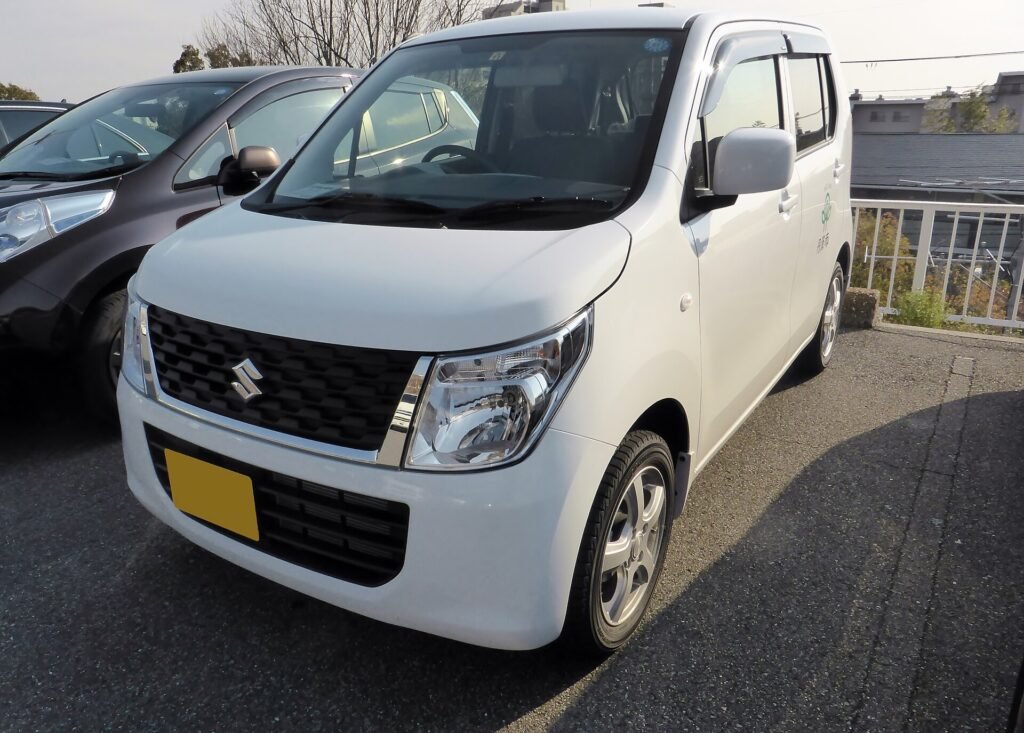
The Wagon R is our biggest seller in both families. Suzuki’s own records show the fifth-generation Wagon R and Wagon R Stingray moving to the R06A from September 2012, according to the R-series history page. The MH34S is that generation. Older MC and MH21S to MH23S models use the K6A.
Our K6A Wagon R engines:
- Wagon R MH23S engine
- Wagon R MH23S turbo engine
- Wagon R MH22S engine
- Wagon R MH22S turbo engine
- Wagon R MH21S engine
- Wagon R MH21S turbo engine
- Wagon R MC22S engine
Our R06A Wagon R engines:
- Wagon R MH34S engine
- Wagon R MH34S turbo engine
- Wagon R MH44S engine
- Wagon R MH35S engine
- Wagon R MH55S engine
- Wagon R Stingray MH55S turbo engine

Alto and Alto Lapin
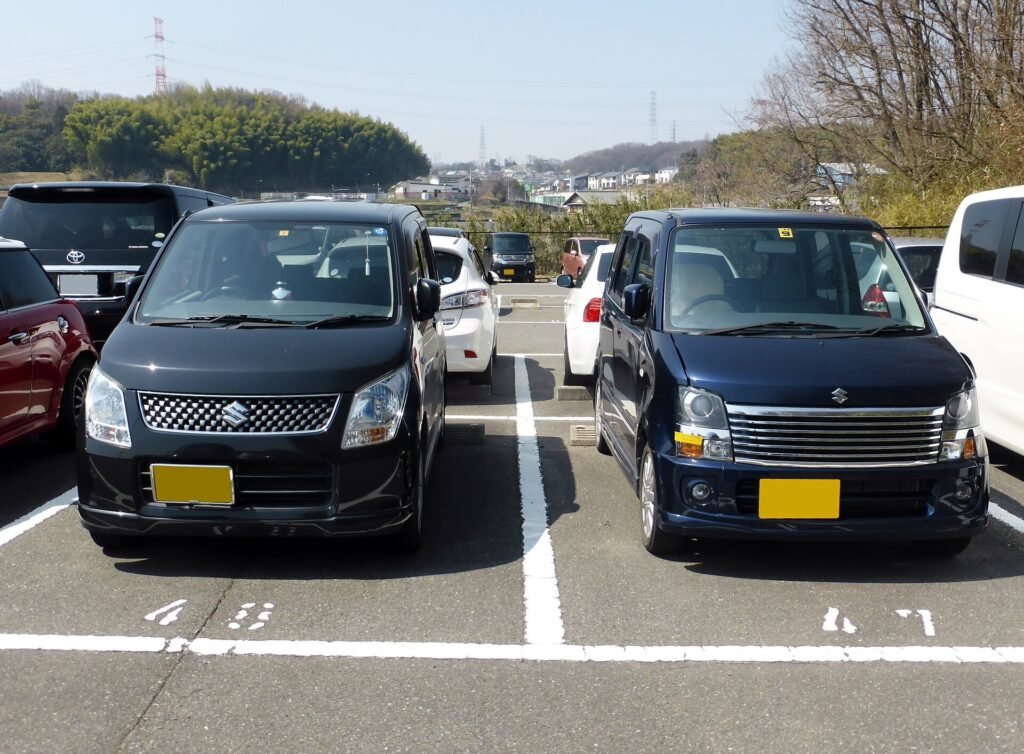
Suzuki lists the R06A in the seventh-generation Alto from November 2011 and the eighth-generation Alto from December 2014, as shown on the R-series history page. The third-generation Alto Lapin (HE33S) also uses the R06A, while the HE21S and HE22S Lapins use the K6A.

- Alto HA36S engine (R06A)
- Alto HA36S turbo engine (R06A)
- Alto HA36V van engine (R06A)
- Alto HA35S engine (R06A)
- Alto HA37S engine (R06A)
- Alto HA25S engine (K6A)
- Alto HA25V van engine (K6A)
- Alto HA24S engine (K6A)
- Alto Lapin HE33S engine (R06A)
- Alto Lapin HE22S engine (K6A)
- Lapin HE22S turbo engine (K6A)

Every and Carry: the work vans and trucks
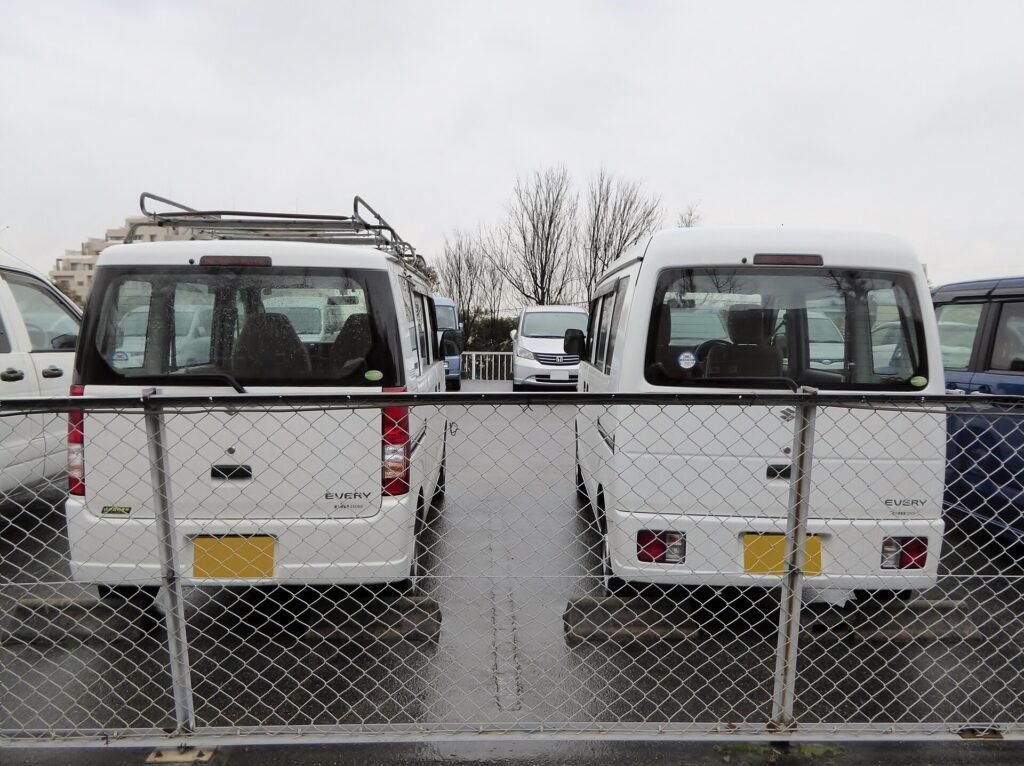
The Every van and the Carry truck are where the R06A vs K6A question matters most to businesses. Suzuki lists the 11th-generation Carry with the R06A from September 2013 and the 12th-generation Every from February 2015, according to the R-series history page. That means the DA16T Carry and the DA17V Every use the R06A, while the DA63T and DA65T Carry and the DA62V and DA64V Every use the K6A.


- Carry DA63T engine (K6A)
- Carry Truck DA65T engine (K6A)
- Carry Truck DA62T engine (K6A)
- Carry DA16T engine (R06A)


- Every DA64V engine (K6A)
- Every DA64V turbo engine (K6A)
- Every DA62V engine (K6A)
- Every DA17V engine (R06A)
- Every DA17V turbo engine (R06A)
- Every Wagon DA17W turbo engine (R06A)
- Every Wagon DA64W turbo engine (K6A)

Nissan, Mitsubishi and Mazda twins
Suzuki builds versions of the Every and Carry for other brands, so the same engines turn up under other badges. The Nissan NV100 Clipper and Clipper Truck, the Mitsubishi Minicab and the Mazda Scrum all follow the same R06A vs K6A split as the Suzuki they are based on.

- NV100 Clipper DR17V engine (R06A)
- Clipper Truck DR16T engine (R06A)
- Clipper Van DR64V engine (K6A)
- Minicab DS17V engine (R06A)
- Minicab Truck DS16T engine (R06A)
- Minicab DS64V engine (K6A)
- Scrum DG63T engine (K6A)
Jimny: K6A turbo vs R06A turbo
The Jimny is a special case, because it is often driven off-road, in water and on rough tracks. The JB23W used the K6A turbo, and it was the last model to use the K6A, running until July 2018, according to Suzuki’s K-series history page. The JB64W that replaced it uses an R06A turbo that Suzuki says it tuned specially for the Jimny. Suzuki’s Japanese launch release says the tuning aimed to improve performance and reliability, with protection against water, snow and flying stones, according to the 2018 Jimny release.
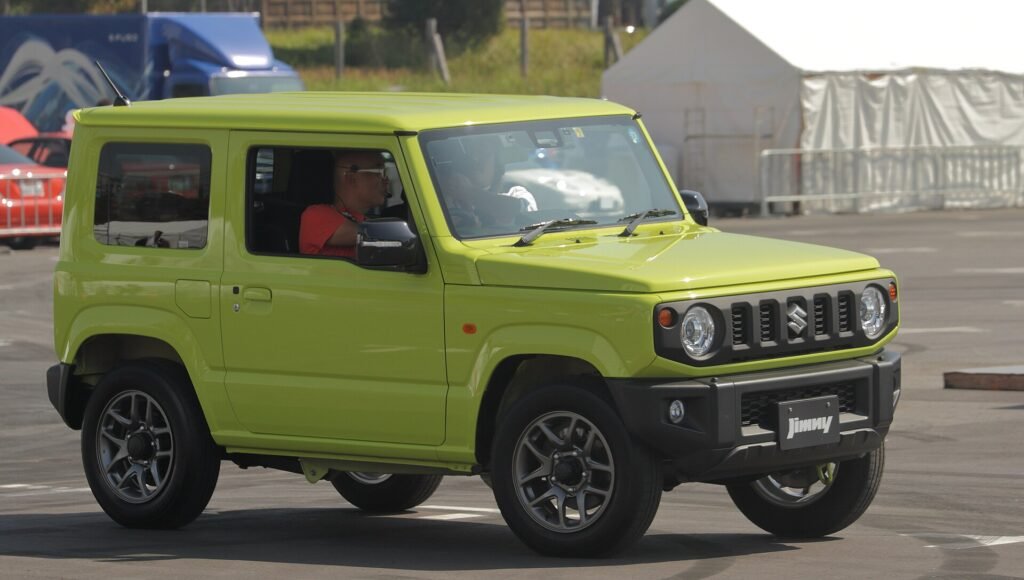
Jimny engines are among the most sought-after kei engines we sell, and prices reflect that, especially for the newer JB64W.
- Jimny JB23W K6A turbo engine
- Jimny 2009 K6A turbo engine
- Jimny JA22W K6A turbo engine
- Jimny JB64W R06A turbo engine
- Jimny 2023 R06A engine

Hustler, Spacia, Moco and MR Wagon
The Hustler only ever used the R06A. The Spacia replaced the K6A-powered Palette and uses the R06A. The Nissan Moco and the Suzuki MR Wagon switched from the K6A to the R06A with their MG33S and MF33S generations.


- Hustler MR31S engine (R06A)
- Hustler MR41S engine (R06A)
- Hustler MR52S turbo engine (R06A)
- Spacia MK53S engine (R06A)
- Spacia MK42S engine (R06A)
- Spacia MK32S engine (R06A)
- Palette MK21S engine (K6A)
- Moco MG33S engine (R06A)
- Moco MG22S engine (K6A)
- MR Wagon MF33S engine (R06A)
- MR Wagon MF22S engine (K6A)
- Mazda Flair Wagon MM53S turbo engine (R06A)
R06A with S-ENE CHARGE and mild hybrid
From 2014, Suzuki began pairing the R06A with a small motor-generator. Suzuki lists the R06A with the WA04A motor under the S-ENE CHARGE name in the Wagon R, Hustler and Spacia from 2014 and 2015, and with the WA05A motor as a mild hybrid in later Wagon R, Spacia and Hustler models, according to the R-series history page.
The engine itself is still an R06A, but the system around it is different. If your car is an S-ENE CHARGE or hybrid model, tell us when you order, so we can match an engine from a similar car and you know which parts to move across. The K6A never had these systems.
Can you put an R06A in place of a K6A?
We are asked this often, usually by owners of older Carry trucks, Every vans and Jimnys who want the newer engine. Our honest answer: it is possible, and some workshops do it, but it is a conversion and not a simple replacement. Here is why:
- Different engine design. The bore, stroke, block, head and many parts are different. Mounts, intake and exhaust parts may not line up.
- Engine computer and wiring. The R06A needs its own computer and wiring, and the computer has to work with the vehicle’s immobiliser and dashboard.
- Gearbox. The gearbox has to bolt to the engine and suit its output. Automatic and CVT gearboxes have their own programming.
- Cooling and fuel. Hoses, radiator connections and the fuel system may need changes.
- Paperwork. In many countries an engine change must be recorded or inspected.
For almost every owner, the cheapest and safest choice in the R06A vs K6A decision is to replace like with like. K6A engines are plentiful and cheap, so there is rarely a good financial reason to convert an older vehicle.
K6A to K6A turbo, or R06A to R06A turbo
Swapping a plain engine for a turbo version of the same family is also a bigger job than it sounds. The turbo engine has its own pistons, compression ratio, intake, intercooler, oil and coolant lines and engine computer. Replace a plain engine with a plain engine, and a turbo with a turbo.
R06A vs K6A reliability
Both engines are used in huge numbers in delivery vans, farm trucks and city cars, and neither is a weak design. When they fail early, it is usually because of how they were used and looked after.
- Oil level and changes. Small three-cylinder engines hold little oil and often rev hard. Running low, or stretching oil changes, wears the timing chain, tensioner and bearings. Turbo engines are even more sensitive.
- Overheating. Kei trucks and vans often work hard in heat with full loads. A failed radiator, fan or water pump can warp the head and damage the head gasket.
- Turbo care. On turbo engines, let the engine idle briefly after hard driving, and use good oil.
- Ignition coils and plugs. Misfires are common on older engines and are cheap to fix. Do not let them run on.
- Heavy loads and overloading. Carry and Every vehicles are often loaded beyond their limits. That shortens the life of any engine.
In the R06A vs K6A reliability debate, there is no clear loser. The condition of the engine you buy and how you treat it matter far more.
What to check when buying a used R06A or K6A
Our guide to buying a used engine covers this in depth. For these engines, focus on:
- The right engine. R06A or K6A, plain or turbo, and whether your car has a hybrid-assist system.
- The donor vehicle. An engine from the same model code as yours will fit with the least work.
- Two-wheel or four-wheel drive, manual, automatic or CVT. These affect the parts on the engine.
- Mileage. Ask for it and how it was recorded.
- What is included. Long block or complete engine with intake, sensors and ancillaries?
- Warranty. Ours is set out in our warranty policy.
A short history of the R06A vs K6A engines
The K6A had a long career. Suzuki’s records show it first going into the Alto Works in November 1994. Over the following years it went into almost every Suzuki kei car, and Suzuki says it became the main engine of its kei range. The family included a lean-burn version and, according to Suzuki, the first direct-injection turbo in the kei class. The last K6A-powered model was the third-generation Jimny, which ran until July 2018. All of this is on Suzuki’s K-series history page.
Suzuki designed its replacement around fuel economy and low-speed torque rather than revs. The R06A arrived in the MR Wagon in January 2011 and spread through the range model by model over the next few years. That staggered rollout is why the R06A vs K6A changeover happened in different years for different models, and why the model code matters more than the year.
Suzuki has since added the R06D, a 657 cc engine with dual injection and cooled exhaust gas recirculation, for even better economy, according to the R-series history page. It is a different engine from the R06A, so do not confuse the two when ordering.
R06A vs K6A running costs beyond fuel
- Parts supply. Both engines were built in enormous numbers, so filters, plugs, coils, gaskets and sensors are easy to find wherever Japanese kei vehicles are common.
- Replacement engines. Both are cheap to replace compared with almost any other engine. The K6A is often the cheapest of all.
- Servicing. Both are simple three-cylinder engines with chains, so there are no belt changes. Turbo versions need more care with oil.
- Hybrid parts. S-ENE CHARGE and mild-hybrid R06A cars have an extra motor-generator and battery that may eventually need attention. The K6A has nothing like that.
Why buy your R06A or K6A from us
Suzuki kei engines are the largest part of our stock, with thousands of engines across dozens of model codes. That means you can usually choose from several engines for the same vehicle and pick the year, mileage and price that suit you. Every listing names the donor vehicle, its model code and year. We check fitment against your chassis number before you pay, ship worldwide, and back each engine with our warranty policy. Whichever side of the R06A vs K6A split your vehicle is on, we almost certainly have it.
R06A vs K6A prices: what our engines cost
Kei engines are some of the most affordable engines we sell. Prices change with stock, mileage and what is included, so check each listing. Here is a sample of our R06A vs K6A prices at the time of writing.
| Listing | Engine | Price |
|---|---|---|
| Wagon R MH23S engine | K6A | $278 |
| Alto Lapin HE22S engine | K6A | $278 |
| Alto HA25S engine | K6A | $392 |
| Carry DA63T engine | K6A | $702 |
| Every DA64V engine | K6A | $1,024 |
| Jimny JB23W turbo engine | K6A turbo | $1,130 |
| Alto HA36V engine | R06A | $278 |
| Spacia MK53S engine | R06A | $328 |
| Wagon R MH34S engine | R06A | $365 |
| Hustler MR41S engine | R06A | $365 |
| Alto HA36S engine | R06A | $411 |
| Carry DA16T engine | R06A | $665 |
| NV100 Clipper DR17V engine | R06A | $901 |
| Every DA17V engine | R06A | $1,168 |
| Jimny JB64W turbo engine | R06A turbo | $4,879 |
Why the prices differ
Car engines from the Wagon R, Alto, Spacia, Hustler and Lapin are very common, so they are often the cheapest. Engines from work vans and trucks such as the Every, Carry and Clipper cost more because businesses want them and they tend to come from newer vehicles. Jimny engines cost the most, especially the newer R06A turbo from the JB64W. Turbo engines usually cost more than plain ones. If two listings look similar and you are not sure which is better value, ask us and we will explain the difference.
R06A vs K6A: which should you buy?
Your older Wagon R, Alto, Lapin, Moco or MR Wagon needs an engine
Buy a K6A from the same model code. They are plentiful and cheap, so you can be choosy about year and mileage.
Your newer Wagon R, Alto, Spacia, Hustler or Lapin needs an engine
Buy an R06A from the same model code. Tell us if your car has S-ENE CHARGE or a mild-hybrid system.
You run an Every van or Carry truck for work
Check the generation. DA62 and DA64 Everys, and DA62T, DA63T and DA65T Carrys, take a K6A. The DA17 Every and DA16T Carry take an R06A. For a fleet, keep a list of each vehicle’s code so the next order is quick.
You own a Jimny
A JA22W or JB23W needs a K6A turbo. A JB64W needs an R06A turbo. Do not try to fit a plain engine to a turbo Jimny.
You want the newer engine in an older vehicle
Talk to us and your mechanic before buying. An R06A vs K6A conversion needs a computer, wiring and possibly gearbox work, and it rarely saves money.
Do not forget the gearbox
Kei vehicles use manual gearboxes, conventional automatics, automated manuals and CVTs, depending on the model and year. If yours slips, jerks or whines, deal with it while the engine is out, because a fresh engine will not cure it. See our transmissions for sale and read our guide on used vs rebuilt transmissions.
Japanese-market engines: what to expect
Kei cars are built for Japan, so nearly all R06A and K6A engines come from Japanese vehicles. That is why our listings show Japanese model codes such as DBA-MH34S or EBD-DA63T. If your vehicle was exported from Japan, it almost certainly has the same engine. If it was sold new in another market under another name, tell us the market and year, and we will check for differences in sensors, intake parts or connectors.
Common mistakes when ordering a Suzuki kei engine
- Ordering by model name only. “Wagon R engine” could mean either engine. Always give the model code.
- Mixing up plain and turbo. They are not interchangeable.
- Forgetting hybrid assist. S-ENE CHARGE and mild-hybrid models have extra parts around the engine.
- Assuming an Alto from 2011 to 2014 is a K6A. The HA35S Alto Eco used the R06A.
- Not fixing the cause. If the old engine overheated or ran low on oil, fix that first.
- Skipping fresh fluids and parts. Fit new oil, an oil filter, an air filter, spark plugs and coolant.
How to order your R06A or K6A from us
- Find your model code and year. Our guide on how to find your engine code can help.
- Choose a listing. Pick an R06A engine or a K6A engine from a vehicle that matches yours, or browse our Suzuki engines.
- Ask us to confirm fit. Send your VIN or chassis number and model code through our contact page.
- Arrange delivery. We ship worldwide. See our shipping policy.
- Install it properly. Use a qualified mechanic and follow our warranty terms.
R06A vs K6A on the road: how the difference feels
Because the K6A is a short-stroke engine, it tends to feel happiest when revved. In a light Alto or Wagon R that is no problem, but in a loaded Carry or Every you end up keeping the revs up to get going and on hills.
The R06A was designed for low-speed torque, so it pulls away more easily at normal revs, and with a CVT it can stay at lower engine speeds in town. The difference is not huge, since both engines are small, but on paper it should make the R06A feel a little less busy in everyday traffic.
Turbo versions change the picture. A K6A turbo or R06A turbo feels much stronger than either plain engine, which is why turbos are popular in the Jimny, the heavier Spacia and Every Wagon, and anyone who drives on motorways. For most owners, though, the R06A vs K6A question is settled by the vehicle, not by how they feel.
Repair or replace?
Not every problem means a new engine. A rough idle, a warning light or a misfire is often a coil, a plug, a sensor or a vacuum leak. Get those checked first. These problems usually mean a replacement makes more sense:
- Knocking from the bottom of the engine, often after running low on oil.
- Low compression in one or more cylinders.
- Coolant in the oil or oil in the coolant, a sign of a failed head gasket or cracked head.
- Heavy oil use with blue smoke.
- A failed turbo that has sent debris or oil into the engine.
- A seized engine.
Because used kei engines are so cheap, a replacement is often less expensive than a rebuild, especially once labour is included.
Looking after your replacement kei engine
- Check the oil every week or two. Small engines hold little oil, so a small loss matters.
- Change the oil on time, and more often for turbo engines, short trips and heavy work.
- Keep the cooling system healthy, especially in vans and trucks working in hot weather.
- Replace the air filter regularly, particularly on farm and dirt roads.
- Do not overload Carry and Every vehicles.
- Drive gently for the first few hundred kilometres after fitting and check for leaks.
R06A vs K6A for fleet and business owners
Kei vans and trucks are used by delivery companies, farms, tradespeople and rental fleets. If you run several, the R06A vs K6A question is mainly about uptime:
- Keep a register of each vehicle’s model code, year, engine and whether it is a turbo.
- Count the downtime. A matching engine ordered quickly usually costs less than a cheap one that needs extra parts.
- Standardise where you can, so parts and know-how carry across.
- Ask about multiple engines. Contact us if you need more than one.
R06A vs K6A in imported kei trucks and vans
Many Carry, Every, Clipper, Minicab and Scrum vehicles now work far from Japan, on farms, campsites, golf courses, building sites and small businesses. If yours was imported second-hand, the R06A vs K6A question works exactly the same way: the model code on the chassis plate tells you which engine it has.
A few points matter more for imported vehicles:
- Paperwork may show a different year. Import papers sometimes give the import or registration year, not the build year. Use the model code and chassis number, not the year on the papers.
- Local parts may be scarce. In some countries, kei parts are hard to find locally. Ordering a complete engine with its ancillaries can save a long wait for small parts.
- Climate and use. Hot weather, dust and heavy loads are harder on small engines than Japanese city driving. Keep the cooling system and air filter in good order.
We ship R06A and K6A engines worldwide. Send us your chassis number and we will confirm the right engine before you pay.
Checklist before you ask for a quote
- Make, model and full model code (for example MH34S or DA63T)
- Year and month of manufacture
- Chassis number
- Plain or turbo, and any hybrid assist
- Two- or four-wheel drive, and manual, automatic or CVT
- The country you need the engine shipped to
- What happened to your old engine
R06A vs K6A: key takeaways
- Size: in the R06A vs K6A comparison, both engines are 658 cc three-cylinders.
- Design: the K6A is short-stroke and built to rev; the R06A is long-stroke and built for low-speed torque and economy.
- Age: the K6A ran from 1994 to 2018; the R06A arrived in 2011.
- Friction: Suzuki says the R06A has about 10 percent less friction than the K6A.
- Codes: the model code tells you which engine you need. They are not interchangeable.
- Turbo: both came in turbo form; match plain to plain and turbo to turbo.
- Best buy: for most owners, the right answer to R06A vs K6A is the engine the vehicle was built with.
R06A vs K6A: frequently asked questions
What is the difference between the R06A and K6A?
Both are Suzuki 658 cc three-cylinder engines. The K6A is the older short-stroke design (68.0 x 60.4 mm). The R06A is the newer long-stroke design (64.0 x 68.2 mm), with lower friction and, on many versions, variable timing on both camshafts. The R06A is aimed at low-speed torque and fuel economy.
Which is better, R06A or K6A?
The R06A is newer and more economical. The K6A is a proven engine that is very cheap to replace. Neither is better for your vehicle than the one it came with.
Can I fit an R06A in place of a K6A?
It can be done, but it is a conversion that needs the matching computer, wiring and possibly gearbox and mounting changes. For most owners, a like-for-like K6A is cheaper and simpler.
Do the R06A and K6A use a timing chain?
Yes, both use a chain. Suzuki notes the K6A’s chain drive as a reliability feature. Keep the oil clean and topped up to protect it.
Which Jimny has the K6A?
The JA22W and JB23W use the K6A turbo. The JB64W uses the R06A turbo.
Which Carry and Every use the R06A?
The DA16T Carry and the DA17V Every and DA17W Every Wagon use the R06A. Earlier DA62, DA63, DA64 and DA65 models use the K6A.
How much does an R06A or K6A engine cost?
Many of our R06A and K6A engines cost a few hundred dollars. Van and truck engines usually cost more, and Jimny engines, especially the JB64W R06A turbo, cost the most. Check each listing for the current price.
Do you sell R06A and K6A engines?
Yes. We sell more than 2,000 R06A engines and K6A engines from named donor vehicles, and we ship worldwide.
Final word on R06A vs K6A
The R06A vs K6A choice looks confusing because both are 658 cc Suzuki three-cylinders that turn up in the same model names. In practice it is simple. The K6A powers the older generations; the R06A powers the newer ones. Find your model code, match plain or turbo, and you will get an engine that fits without surprises.
Browse our R06A engines for sale and K6A engines for sale, see every Suzuki engine in our Suzuki engines category, or contact us with your chassis number and we will help you choose.