

Buying a used engine is usually the cheapest honest way to get a vehicle with a dead motor back on the road. It works well when you do three things: match the exact engine code, check the condition evidence the seller gives you, and fit it properly with fresh fluids and seals. Skip any of those and a good deal turns into a second breakdown. This guide walks through every check we use ourselves, in the order you will actually need them.
We sell replacement engines and transmissions every day, so most of what follows comes from questions customers ask us before they order and from the problems we see when an engine goes in without the basics done. Some of it will make us sound fussy. That is fine. Fussy buyers rarely send engines back.

The short answer
If you only have two minutes, here is the whole process of buying a used engine in one list:
- Find the exact engine code from the block, the VIN or the build plate. Do not rely on the model name alone.
- Decide whether used, rebuilt or new makes sense for the vehicle’s value and how long you plan to keep it.
- Ask for compression or leak down results, photos of the unit, the mileage if known and what is attached.
- Read the warranty terms before you pay, especially the installation conditions.
- Get a freight quote to a commercial address or the nearest depot or port.
- Inspect the crate before you sign for it.
- Fit it with new seals, filters, fluids and a flushed cooling system, then follow a gentle break in.
Everything below expands on those seven steps for buying a used engine, with the specific checks that separate a good used engine from an expensive mistake.
When buying a used engine makes sense
A used engine is not always the right call. It makes the most sense when the rest of the vehicle is sound, the engine failure was sudden rather than the end of a long decline in every system, and a new or remanufactured unit would cost more than the vehicle is worth.
Typical good cases:
- A pickup or SUV with a straight body and good gearbox that spun a bearing or overheated once.
- A fleet van or truck that needs to be earning again this week, not next month.
- An older model where new engines are no longer made or cost a small fortune.
- An engine swap project where you want a known, running core to start from.
Cases where we would think twice:
- The vehicle has rust, a tired gearbox and worn suspension as well. A fresh engine will not fix those.
- The original engine died because of a cooling or oiling problem that nobody has found yet. A replacement will die the same way.
- You plan to keep the vehicle for many years and a rebuilt unit with a longer warranty costs only a little more.
Used, rebuilt or new: how they compare
People often ask which option is best. There is no single answer, but the trade offs are fairly consistent:
| Option | Typical cost | Lead time | Main risk | Best for |
|---|---|---|---|---|
| Used engine | Lowest | Days, if in stock | Unknown history inside | Most daily drivers, work vehicles, swaps |
| Rebuilt engine | Middle | Days to weeks | Quality depends on the rebuilder | Vehicles you will keep a long time |
| New or remanufactured | Highest | Often weeks | Cost can exceed vehicle value | Newer or high value vehicles |
We wrote a separate piece on the same question for gearboxes, used vs rebuilt transmission, and most of the reasoning carries over to engines.
Before you start buying a used engine: get the engine code right
This is the step people skip when buying a used engine, and it causes more returns than anything else. Two cars with the same badge can have very different engines. A Hilux, for example, has been sold with petrol and diesel engines of several sizes, and even one engine family can change sensors, injection systems and wiring from year to year.
Where to look:
- The engine block itself, usually stamped on a flat pad near the gearbox or on the side of the block.
- The vehicle identification number. One character in most VINs identifies the engine.
- The build plate or sticker in the engine bay, door jamb or under the bonnet.
- Service records, registration papers or the original invoice.
Our guide on how to find your engine code has photos of the usual locations. For vehicles sold in North America you can also run the VIN through the NHTSA VIN decoder, which often shows engine size and type.
When you contact a seller, send the engine code, the VIN or chassis number and the model year. We check fitment against those before an order ships, and any decent supplier should do the same.
Know what is actually included
“Engine” can mean very different things. Ask exactly what comes with the unit:
- Long block: block, heads, internals and timing parts, usually without the intake, exhaust manifolds or ancillaries.
- Complete engine: long block plus some or all of the intake, injectors, alternator, starter, pumps and wiring.
- Engine with gearbox: sometimes offered for swaps, and sometimes the cheapest way to get matching parts.
The difference matters for price comparisons. A cheap long block can end up costing more than a complete engine once you buy the parts it is missing.
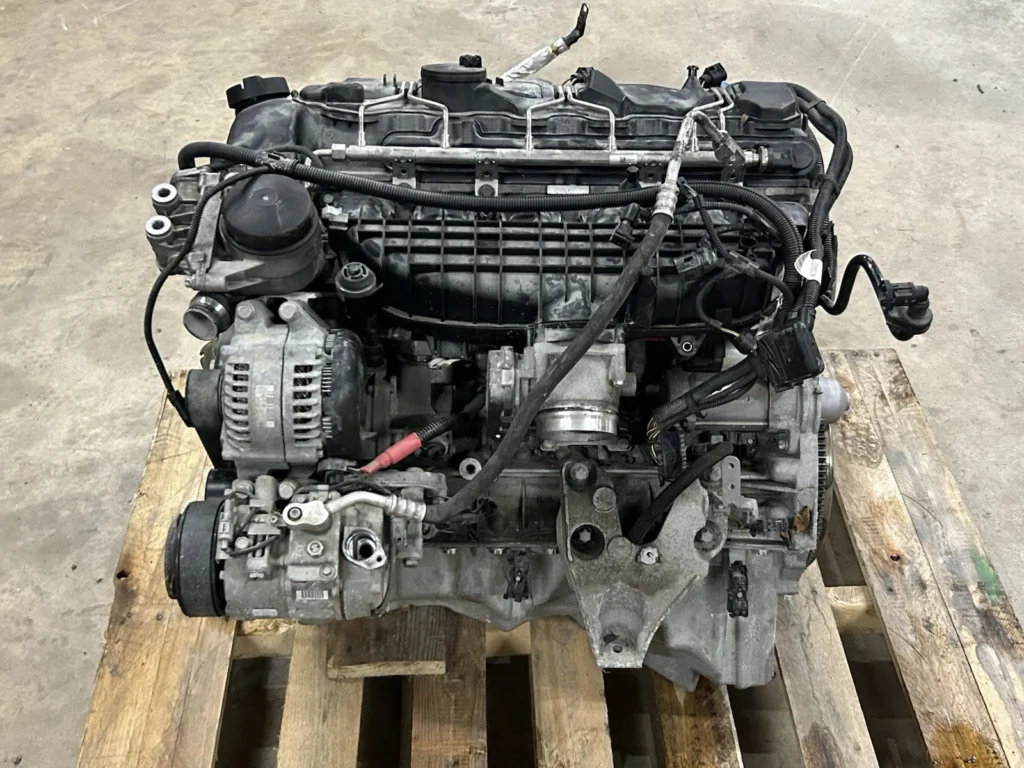
The 21 checks for buying a used engine
Here are the checks we suggest for buying a used engine, grouped by when you can do them. You will not always get every answer, but the more you get, the lower your risk.
Identity and paperwork
1. The engine code matches your vehicle
Compare the code stamped on the replacement with the code on your old engine. Small suffix letters matter. On many Toyota engines, for example, a letter changes the fuel system or valve timing.
2. The source vehicle is known
Ask what the engine came out of and why. Accident damaged vehicles with healthy engines are a common and perfectly good source. An engine pulled because it “ran rough” is a different story.
3. Mileage is stated, and you know how it was measured
Mileage from the donor vehicle’s odometer is useful but not proof. Treat it as one piece of evidence alongside condition checks, not as the whole picture.
4. The serial number is intact
Make sure the block stamping has not been ground off or altered. Many warranties, including ours, require original markings, and in some countries a missing number causes registration problems.
Mechanical condition
5. Compression or leak down figures
A compression test shows whether each cylinder seals. What matters most is that the readings are close to each other. A leak down test goes further and shows where pressure escapes: rings, valves or head gasket. If you want the background, the compression ratio and testing basics are well documented. Ask the seller for results. If they cannot provide them, ask whether the engine was heard running before removal.
6. Oil condition
Milky oil points to coolant getting in. Metallic glitter points to bearing wear. Neither is a good sign. A photo of the dipstick or the oil drained from the sump tells you a lot.
7. Coolant passages and the water pump area
Heavy scale, rust sludge or oil in the coolant suggests the old cooling system was neglected or a head gasket was leaking.
8. Timing components
On belt driven engines, ask when the belt was last changed. If nobody knows, plan to replace it. On chain engines, a rattle at start up can mean stretched chains or worn guides.
9. Turbo play, if fitted
Some side to side movement in a turbo shaft is normal. In and out play, oil in the intake or a damaged compressor wheel is not. Many sellers sell turbo engines with the turbo “as is”, so read the listing carefully.
10. External damage
Look for cracked brackets, broken sensors, crushed oil pans and damaged threads. These are cheap to fix but they add up, and an engine dropped during removal may hide worse.
11. Signs of overheating
Discoloured paint near the exhaust side, warped or distorted plastic parts and baked on coolant residue are all clues that the engine got very hot at some point.
12. Diesel specific checks
For diesels, ask about injector condition, blow by and whether the engine started easily from cold. A smoky, hard starting diesel is often worn even if it still runs.
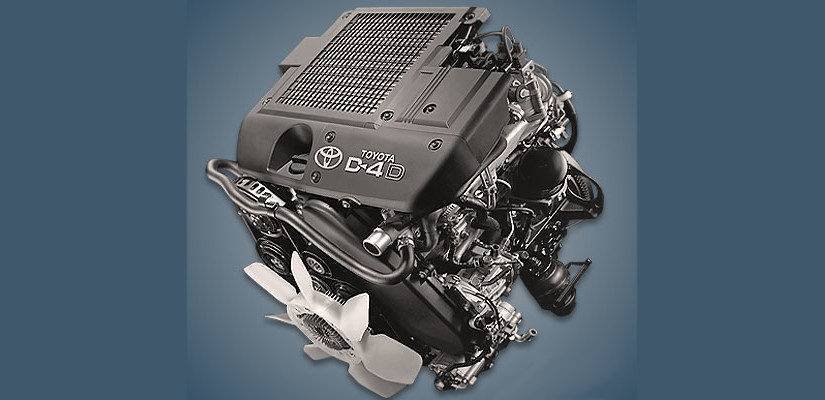
The seller and the terms
13. A written warranty
Get it in writing and read the conditions. Most used engine warranties cover internal mechanical failure only, and most require professional installation. Our own warranty policy gives a 90 day parts warranty from delivery unless the product page or invoice says otherwise, and it spells out what is and is not covered.
14. A clear return policy
Find out how long you have, what condition the engine must be in and who pays for return freight. Our return and refund policy allows returns within 30 days of delivery for uninstalled, unaltered parts.
15. Real photos of the actual unit
Stock photos tell you nothing. Ask for pictures of the engine you will receive, including the code stamping.
16. Someone who answers technical questions
If a seller cannot tell you whether the engine has a particular sensor or which gearbox it bolted to, be careful. Good sellers either know or will check.
17. Payment method and currency
Pay with a method that gives you some protection. Check the currency too. We charge in US dollars, so buyers outside the United States should expect their bank’s conversion rate. Details are in our payment policy.
Shipping and fitting
18. A freight quote before you pay
Engines are heavy and usually ship by freight on a pallet or in a crate. Get a quote to your door, a commercial address or the nearest depot or port before you commit. International buyers should budget for customs duties and import taxes, which are normally paid by the buyer. Our shipping policy covers how this works.
19. Inspect before you sign
Look at the crate and the engine before signing the delivery receipt. Note any damage on the receipt, take photos and report it quickly. Most carriers and sellers set short deadlines for damage claims.
20. Plan the parts you will replace
Budget for gaskets, seals, filters, fluids, a thermostat and often a water pump and timing belt. These are cheap compared with the engine and they are usually required for the warranty anyway.
21. Fix the cause of the original failure
If the old engine overheated, find out why. Radiators, fans, hoses and thermostats kill engines. If it ran out of oil, check the pump, the pickup and the oil cooler lines. Fitting a good engine into a vehicle with an unfixed fault is the fastest way to lose money.
How to read a used engine listing
Listings are where most buyers get caught out, so it is worth slowing down. When buying a used engine online, read the listing twice: once for what it says and once for what it leaves out.
A useful listing should tell you:
- The exact engine code, not just the size and the make.
- Which vehicles and years it fits, and whether it is the 2WD or 4WD version where that matters.
- Whether it is a long block or a complete engine, and which ancillaries are attached.
- The condition evidence: compression figures, a running video or at least clear photos.
- The warranty period and where to read the full terms.
- How it ships and whether freight is included or quoted separately.
If a listing only says something like “good running engine, fits most models”, treat that as the start of a conversation rather than an answer. Ask for the code, photos and terms in writing. A seller who is happy to answer is usually one you can deal with again.
Our own product pages try to cover these points in the same order: what the engine is, the specifications, which vehicles it fits, common faults to check and what to replace when you fit it. If something you need is missing, ask us and we will add it to the page for the next buyer too.
Questions to ask the seller before buying a used engine
Copy these into your message. They take a minute to send and they filter out most bad deals:
- What is the full engine code, and can you send a photo of the stamping?
- Which vehicle did it come from, and why was it removed?
- Do you have compression or leak down figures, or a video of it running?
- What exactly is attached: injectors, pumps, wiring, manifolds, turbo?
- What warranty comes with it, and what are the installation conditions?
- What is the freight cost to my address or nearest port?
- How is it packed, and are the fluids drained?
- What happens if it arrives damaged or is the wrong part?
Any seller who gets annoyed by these questions has told you what you need to know.
Red flags when buying a used engine
Walk away, or at least ask harder questions, if you see any of these:
- No engine code or serial number visible in photos.
- Only stock images, or photos of a different engine.
- A price far below every other seller for the same code.
- No warranty at all, or a warranty that excludes everything except the block.
- Pressure to pay quickly with no written terms.
- Vague answers about what is included.
- Fresh paint on the whole engine with no explanation. Sometimes it is cosmetic, sometimes it hides leaks.
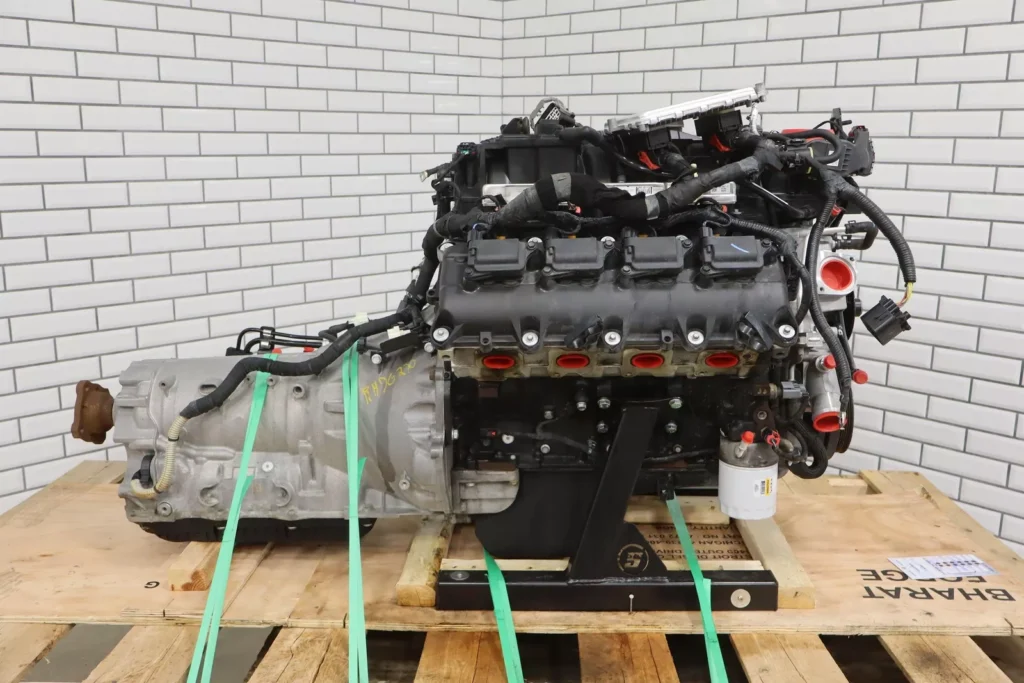
Known weak points to ask about, engine by engine
Most engines have one or two well known faults. Knowing them before buying a used engine tells you exactly what to ask the seller and what to replace during fitting. A few examples from engines we sell:
| Engine | Known issue to ask about | What to do |
|---|---|---|
| Toyota 2AZ-FE | Oil consumption on some years, head bolt threads | Check oil use history, inspect threads |
| Toyota 4GR-FSE | Carbon on intake valves, bore scoring | Ask about cold start noise and oil use |
| Toyota 1KZ-TE | Cracked heads after overheating | Fit a new radiator and fan clutch |
| Mitsubishi 4M40 | Cylinder head cracks | Pressure test the cooling system |
| Mercedes M272 | Balance shaft sprocket wear on early engines | Ask for the serial number and build date |
| 5.7 Hemi | Lifter and camshaft wear, the “Hemi tick” | Listen for ticking, inspect the cam |
| Land Rover Td5 | Oil wicking along the injector wiring | Fit a new injector loom |
| BMW M57 | Swirl flaps breaking into the cylinders | Remove or blank the flaps during fitting |
Every engine page on our store has a section on common faults like these. It is worth reading before you order, even if you buy elsewhere.
Petrol vs diesel: what changes
The basic checks are the same, but the weak points differ.
| Item | Petrol engines | Diesel engines |
|---|---|---|
| Common wear points | Timing belts or chains, valve stem seals, ignition parts | Injectors, turbos, glow plugs, head gaskets |
| Best condition test | Compression and leak down | Compression, blow by and cold start behaviour |
| Fuel system risk | Direct injection carbon build up on some engines | Contaminated fuel damaging pumps and injectors |
| Cooling sensitivity | Aluminium heads warp if overheated | Heads can crack between valve seats |
If you are replacing a diesel in a work vehicle, also think about the duty it does. A Toyota 1KD that tows every day needs a healthier cooling system than one that does school runs.
Popular engines when buying a used engine
Some engines come up again and again. That is not always because they are weak. Often it is because millions were built, the vehicles last a long time and owners would rather replace the engine than the whole truck. Here are some we supply often, with links to the current listings.
Toyota
Toyota engines are the most common request we get. Petrol favourites include the 2JZ straight six, the 1GR-FE V6, the 2GR-FE V6, the 3UR-FE V8 and the 2TR-FE. On the diesel side, the 1KD, the 1HD-FTE, the 1KZ-TE and the 1VD-FTV single turbo are the ones we move most. Browse all Toyota engines.
Nissan
For Nissan, the TD42, ZD30 and YD25 diesels keep Patrols and Navaras running, while the VQ40DE and VK56DE power the Frontier, Pathfinder, Titan and Armada. Performance buyers ask for the RB26DETT and VR38DETT. See all Nissan engines.
Mitsubishi and Isuzu
The 4D56 turbo, 4M40 and 6G74 are common Mitsubishi requests, along with the 4M50 for Canter trucks. For Isuzu, the 4JB1, 4HK1 and 4JJ1-TCX cover a huge share of light trucks. Browse Mitsubishi engines and Isuzu engines.
European engines
European engines are often replaced because repair labour is so high. BMW buyers ask for the N54, N55, B58 and the M57 diesel. Mercedes owners look for the M272, M276, M273 and M278. Land Rover owners still keep the Td5 alive. See BMW engines and Mercedes engines.
American V8s
V8 buyers usually fall into two groups: owners replacing a worn engine and builders planning a swap. Common requests include the 5.7 Hemi, the LS3, the 5.0 Coyote and the Ford E250 Triton V8s. Browse Chevrolet engines, Ford engines and Hemi engines.
Truck and industrial diesels
For heavy work, the Cummins 6BT, ISB Cummins, Cummins QSB and Caterpillar C15 are the regulars. Fleet owners also look for the Howo WD615. Browse all truck engines, or if you need a gearbox too, our truck transmissions.
If you know the make but not the model, our shop engines by brand page is the quickest way in.
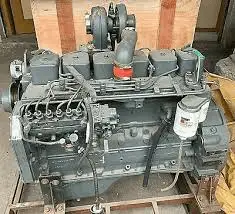
Buying a used engine for a work vehicle or fleet
Fleet owners and contractors look at engines differently from private owners. The question is not only “is it a good engine” but “how fast can this vehicle earn again”. For a delivery truck or a site pickup, every day off the road costs money, so availability and fast shipping often matter more than squeezing out the lowest price.
A few things work well for fleets:
- Standardise on engine codes where you can. If several vehicles share an engine, a spare can sit ready on a pallet.
- Keep the build plates, VINs and engine numbers of every vehicle in one list. It makes ordering much faster.
- Use the same workshop for every swap so installation standards, and warranty paperwork, stay consistent.
- Track why each engine failed. Patterns like overheating on one route or dust on one site point to fixes that save the next engine.
For trucks and heavy equipment, we keep a separate range of truck engines for sale and can quote several units on one shipment.
Buying a used engine for a swap project
Swaps are a different game. You are not replacing like for like, so the questions change. When buying a used engine for a swap, think about the whole package, not just the engine:
- Engine management: do you need the original computer and wiring loom, or will you run a standalone system?
- Gearbox: buying the engine with its gearbox is often easier than finding an adapter.
- Mounts and sump: the sump shape decides whether the engine clears your crossmember.
- Cooling: a bigger engine needs a bigger radiator and proper airflow.
- Paperwork: some countries require approval or an engineer’s report for an engine change.
Popular swap engines include the 2JZ-GE, the 1UZ-FE V8, the LS3 and the 2UR-GSE. Each of those pages lists what builders usually plan for.
What drives the price of a used engine
Prices for the same engine code can vary a lot between sellers. The usual reasons:
- Demand: engines used in popular trucks or tuning scenes hold their value.
- Completeness: a complete engine with injectors, pumps and wiring costs more than a bare long block.
- Mileage and evidence: a tested, low mileage unit with photos and compression figures is worth more than an unknown.
- Warranty: longer or more generous terms cost the seller money, so they show up in the price.
- Freight: the cheapest engine is not the cheapest delivered engine. Always compare delivered cost.
A useful habit when buying a used engine is to compare three things side by side: the engine price, the freight and the parts you will need to fit it. That total is the real number.
The costs people forget
The engine price is only part of the bill. When buying a used engine, put these on your list too:
- Freight, plus any liftgate or residential delivery charges.
- Customs duties, import taxes and clearing agent fees for international orders.
- Gaskets, seals, filters, fluids, belts, a thermostat and often a water pump.
- Labour, which can be more than the engine itself on some vehicles.
- Parts that break during removal, such as brittle plastic connectors and old hoses.
- Coding or programming on newer vehicles with immobilisers or matched computers.
None of these are reasons not to buy. They are reasons to plan, so the final bill does not come as a surprise.
Shipping after buying a used engine, at home or abroad
Engines are heavy, awkward and leak if they are not drained. A good seller drains the fluids, plugs the openings, straps the engine to a pallet or packs it in a crate and books freight.
A few practical points:
- Delivery to a business address with a forklift or loading dock is usually faster and cheaper than residential delivery.
- Residential freight is often curbside only, and you may need a liftgate service.
- For international orders, sea freight to a port is common. Air freight is faster but expensive for heavy items.
- Import rules differ by country. Some require the engine number to be declared, and duties are normally paid by the buyer.
- Keep the tracking details and be available on delivery day. Re-delivery fees add up quickly.
We ship across the United States and to buyers in other countries on request. Orders are processed within one to three business days after payment, and freight for international orders is quoted before you pay.
Fitting the engine after buying a used engine
A large share of early failures we hear about have nothing to do with the engine itself. They come from rushed installations. If you are buying a used engine, budget time and money for these steps:
- Transfer or replace sensors carefully, and compare the old and new engines side by side before you start.
- Replace the rear main seal, front seals and valve cover gaskets while access is easy.
- Replace the timing belt, tensioner and water pump on belt driven engines unless you have proof they are new.
- Fit new oil and fuel filters, an air filter and new spark plugs or glow plugs.
- Flush the cooling system thoroughly and fit a new thermostat. Old sludge can block a fresh engine in days.
- Prime the oil system before first start, especially on engines that sat for a while.
- Check for leaks, set the idle and let the engine reach temperature while you watch the gauges.
Most warranties, including ours, require installation by a licensed mechanic or repair shop, plus proof that fluids, filters and seals were replaced and the cooling system was flushed. Keep the receipts.
Break in and the first 1,000 kilometres
A used engine does not need the long break in of a fresh rebuild, but the first few hundred kilometres still matter. Drive gently, vary the engine speed, avoid heavy towing and check oil and coolant levels often. Change the oil and filter early, around the first 1,000 km, to flush out anything that came loose during the swap.

Looking after a used engine for the long run
Once it is in, a used engine needs the same care as any other, perhaps a little more in the first year. The habits that make the biggest difference are simple:
- Change the oil and filter on time with the correct grade. Do not stretch intervals to save money.
- Keep the cooling system clean and the coolant at the right strength. Check hoses and the radiator cap.
- Use a quality air filter and replace it early in dusty conditions. Dust destroys engines quietly.
- Let turbo engines idle for a short time after hard driving before switching off.
- Fix small leaks and odd noises early. A cheap repair now beats a big one later.
Do those things and buying a used engine stops looking like a risk and starts looking like what it usually is: a sensible repair.
How to buy a used engine from us
Here is how ordering works at Engine Magazine:
- Find the engine on our store, or browse used engines for sale by brand.
- Send us your engine code, VIN or chassis number through our contact page, or email info@engines-magazine.com.
- We check fitment, confirm what is included and answer questions about the unit.
- You get a price including freight to your door, a commercial address or the nearest port.
- Pay at checkout or as agreed on your quote. Prices are in US dollars.
- We pack the engine on a pallet or in a crate, ship it and send tracking details by email.
- Inspect the delivery, then fit the engine following the steps above.
You can find out more about us on our about page.
A few real world examples
These are the kinds of situations customers describe to us when buying a used engine. Names and details are left out, but the patterns are common.
The overheated pickup. A diesel pickup lost its coolant on a long climb and the head cracked. The owner bought a replacement engine, and the first thing his mechanic did was fit a new radiator and fan clutch. The truck has been fine since. If they had skipped the radiator, the new engine would have cooked too.
The wrong suffix. A buyer ordered an engine for a saloon based on the model name. The replacement had the same displacement but a different fuel system. It would have fitted physically, but the wiring and computer did not match. Checking the code before ordering would have saved a week and a return.
The swap project. A builder wanted a straight six for a rear wheel drive project car. He bought a complete engine with the wiring loom and computer instead of a bare long block. It cost more upfront, but it saved weeks of hunting for parts.
Common questions about buying a used engine
Is buying a used engine worth it?
Usually, yes, if the rest of the vehicle is in good shape and the engine comes with evidence of its condition and a written warranty. It is often far cheaper than a new or remanufactured unit and much faster than a rebuild.
What mileage is acceptable on a used engine?
There is no single number. A well maintained diesel with high mileage can be healthier than a neglected petrol engine with half the distance. Compression results, oil condition and history matter more than the odometer.
How long does a used engine last?
That depends on its condition, the vehicle and how it is maintained. A healthy used engine fitted properly, with fresh fluids and a sound cooling system, can run for many years.
Do I need a mechanic after buying a used engine?
For warranty purposes, almost always. Our warranty requires installation by a licensed mechanic or repair facility, and that is common across the industry.
Is buying a used engine from abroad possible?
Yes. Buying a used engine from another country is common, and we ship worldwide on request. Contact us with your location and we will quote freight. Customs duties and import taxes are paid by the buyer.
What if the engine arrives damaged?
Note the damage on the delivery receipt, take photos and contact us within 48 hours of delivery so we can file a claim with the carrier.
What should I send before buying a used engine?
Your engine code, VIN or chassis number, model year and the reason the old engine failed. With that, we can check fitment and tell you honestly whether the unit is a direct fit or what else you will need.
Should I buy a used engine or rebuild my own?
A rebuild makes sense if your block and crank are healthy and you have a trusted engine shop. If the block is cracked or the bottom end is badly damaged, buying a used engine is usually quicker and cheaper.
Does a used engine come with a warranty?
From most reputable sellers, yes. Ours carry a 90 day parts warranty from delivery unless stated otherwise on the product page or invoice. Always read the conditions before you fit the engine.
Running HOWO trucks? Our Sinotruk HOWO engine replacement guide covers WD615 versions, injection types and what to check before you buy.
Shopping for a luxury car engine? Our Mercedes S-Class engine replacement guide shows how to match M278, M276 and V12 engines by engine number.
Final thoughts
Buying a used engine is not a gamble if you treat it like any other big purchase. Match the code, ask for evidence, read the terms, plan the shipping and fit it properly. Most of the problems we see come from skipping one of those steps, not from the engines themselves.
If you are ready to look, start with our used engines, check engines by brand, or contact us with your engine code and we will help you find the right one.