
Description
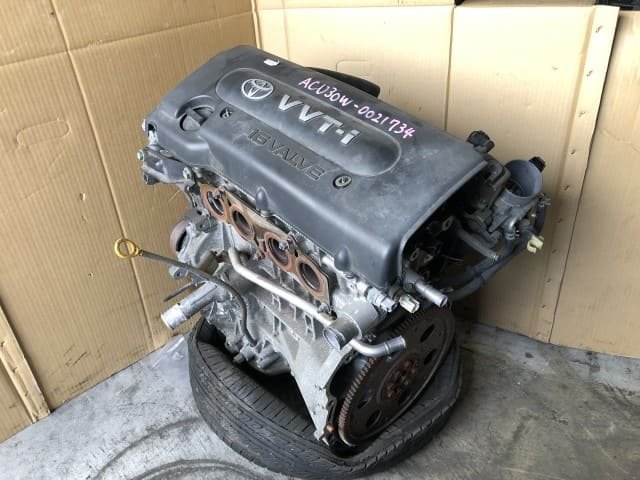
Looking for a Harrier ACU30W engine for sale? This listing is a used Toyota 2AZ-FE engine, a 2.4 litre four-cylinder petrol, removed from a Japanese-market 2004 Toyota Harrier with model code CBA-ACU30W. It is a single unit, priced as shown above, and we ship it worldwide. If your car was built with a 2AZ-FE, this is a direct replacement, and the rest of this page explains how to confirm that before you pay.
Short version: check the engine code on your block and the model code on your chassis plate, find out why your old engine failed, and fix that cause before the new engine runs. Do those three things and a good used engine will give you years of service.
Harrier ACU30W Engine For Sale: specifications
These are the details of this exact unit, together with the general specifications of the 2AZ-FE engine type.
| Specification | Harrier ACU30W Engine For Sale |
|---|---|
| Engine code | Toyota 2AZ-FE |
| Removed from | 2004 Toyota Harrier, model code CBA-ACU30W |
| Displacement | 2,362 cc (2.4 litres) |
| Layout | Inline four-cylinder petrol, aluminium block and head |
| Bore x stroke | 88.5 x 96.0 mm |
| Valvetrain | DOHC, 16 valves, timing chain, VVT-i |
| Fuel system | Port injection |
| Output | About 160 to 170 PS depending on model |
| Condition | Used, single unit |
| Shipping | Worldwide |
About the Toyota 2AZ-FE
The 2AZ-FE is Toyota’s 2.4 litre four-cylinder petrol engine, and for most of the 2000s it was one of the company’s most widely used engines. It powered the Camry, RAV4, Estima, Alphard, Previa, Blade, Mark X Zio, Ipsum and many more. Toyota’s lineage page for the 2000 Estima lists it at 2,362 cc and 118 kW (160 PS) at 5,600 rpm.
It has an aluminium block, a timing chain and VVT-i, and it is a smooth, torquey engine that suits heavy minivans and family cars well.
What to check on a 2AZ-FE
- Oil consumption. Some high-mileage 2AZ-FE engines are widely reported to use oil as the piston rings wear. Check the level often after fitting.
- Head bolt threads. Repairers commonly report that the head bolt threads in the aluminium block can weaken on some engines, leading to coolant loss. Have the block checked if your old engine lost coolant without an obvious leak.
- Water pump. A common wear item. Replace it while the engine is out.
- Timing chain. Listen for a rattle on cold start.
These are reported patterns rather than guarantees, but knowing them helps you fit a Harrier ACU30W engine for sale properly and keep it healthy.

About the second-generation Toyota Harrier (ACU30W)
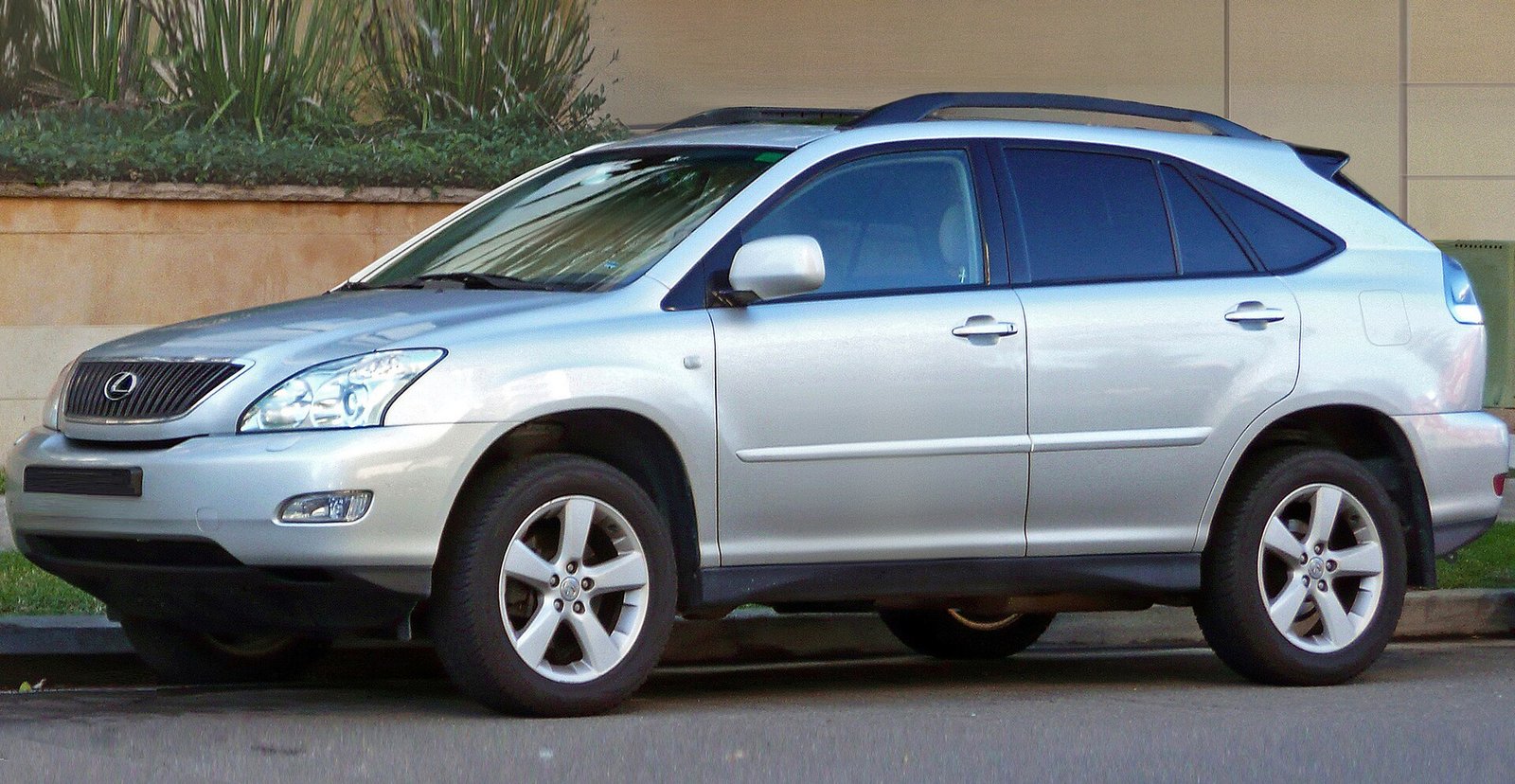
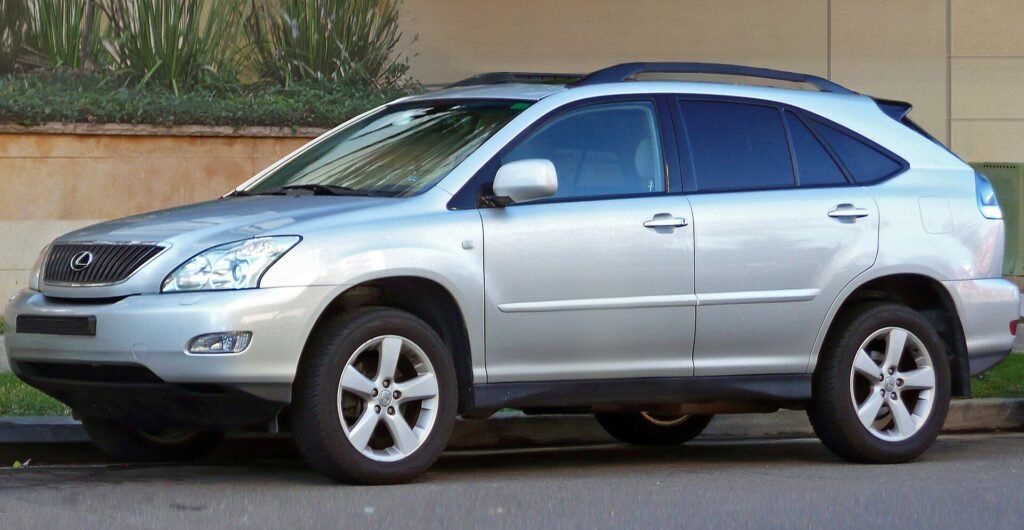
Toyota launched the second-generation Harrier on 17 February 2003. It was sold outside Japan as the second-generation Lexus RX. Toyota’s 2003 Harrier announcement lists a 2.4 litre 2AZ-FE with 118 kW (160 PS) at 5,600 rpm and 221 Nm at 4,000 rpm, and a 3.0 litre 1MZ-FE V6 with 162 kW (220 PS). The car was built at Toyota Motor Kyushu’s Miyata plant.
This engine came out of a 2004 Harrier, model code CBA-ACU30W, the two-wheel-drive 2.4 litre car. A Harrier ACU30W engine for sale from the same ACU30W is the direct match for another front-wheel-drive 2.4 litre Harrier. Four-wheel-drive cars use the ACU35W code.
Harrier or Lexus RX?
Lexus RX models of this generation sold outside Japan mostly used V6 engines, so a 2.4 litre engine is mainly a Harrier part. If your car has the V6, ask us about our V6 engines instead.
Who usually buys this engine
- Private owners who like their Harrier and want to keep it rather than buy another car.
- Taxi and ride-hailing drivers who need the car back earning as quickly as possible.
- Fleet and delivery operators who run several cars of the same type and want matching engines.
- Workshops and garages repairing customer cars and looking for a reliable source of matched engines.
- Exporters and dealers preparing used Japanese cars for resale.
Whichever you are, the same rules apply: match the engine code and model code, fix the cause of the old failure, and fit the engine properly.
Will this engine fit your car?
The engine code is the first thing to match. The model code is the second, because the same engine can come with different sumps, intake parts, wiring, brackets and engine computers depending on the car it was built for. This unit came from a 2004 Toyota Harrier (CBA-ACU30W), so it is the closest possible match for that car.
How to check yours
- Read the engine code stamped on your block. It should say 2AZ-FE.
- Find the model code on the chassis plate or in your registration papers. This engine came from a ACU30W.
- Compare part numbers if you have them. No part number was recorded for this unit, so match by engine code and model code.
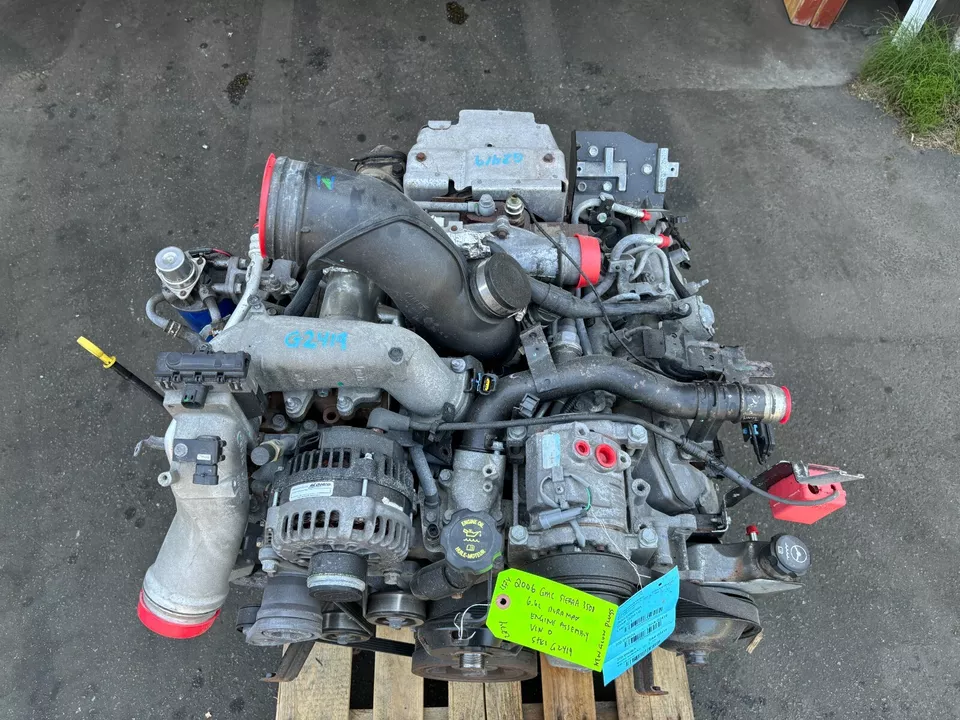
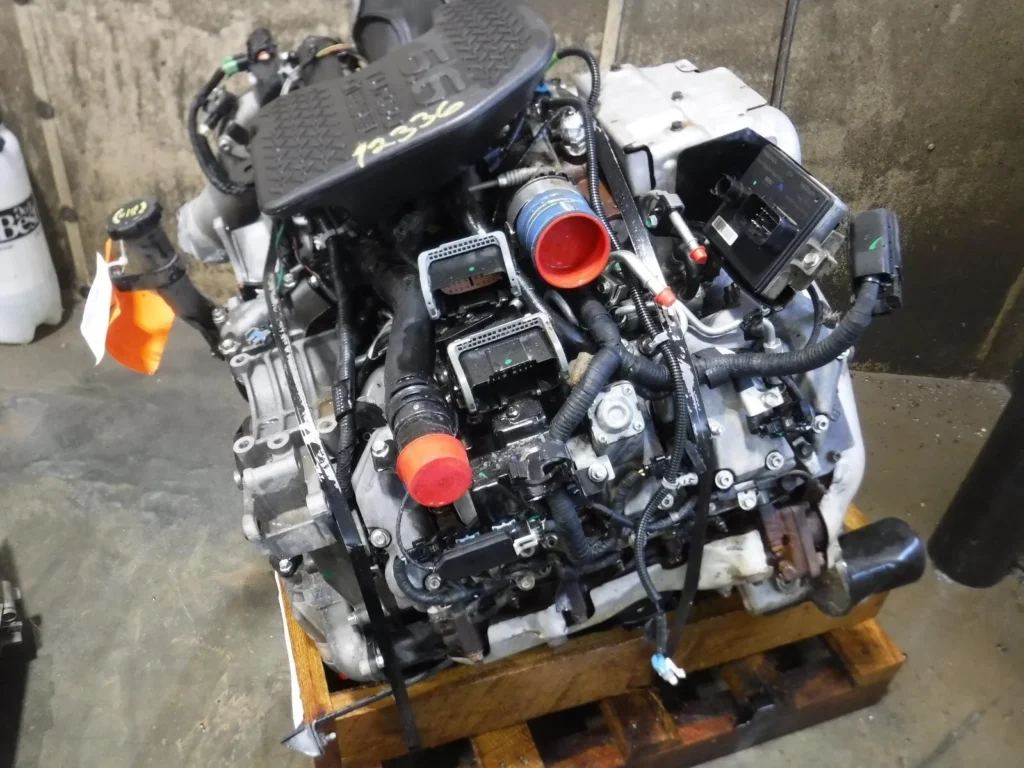
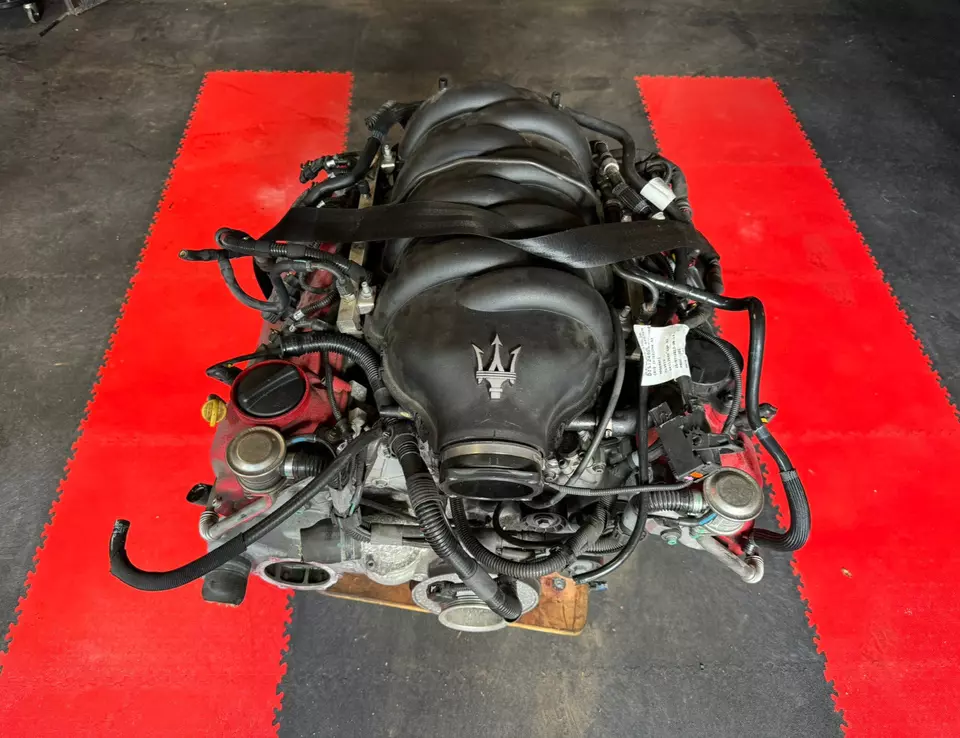
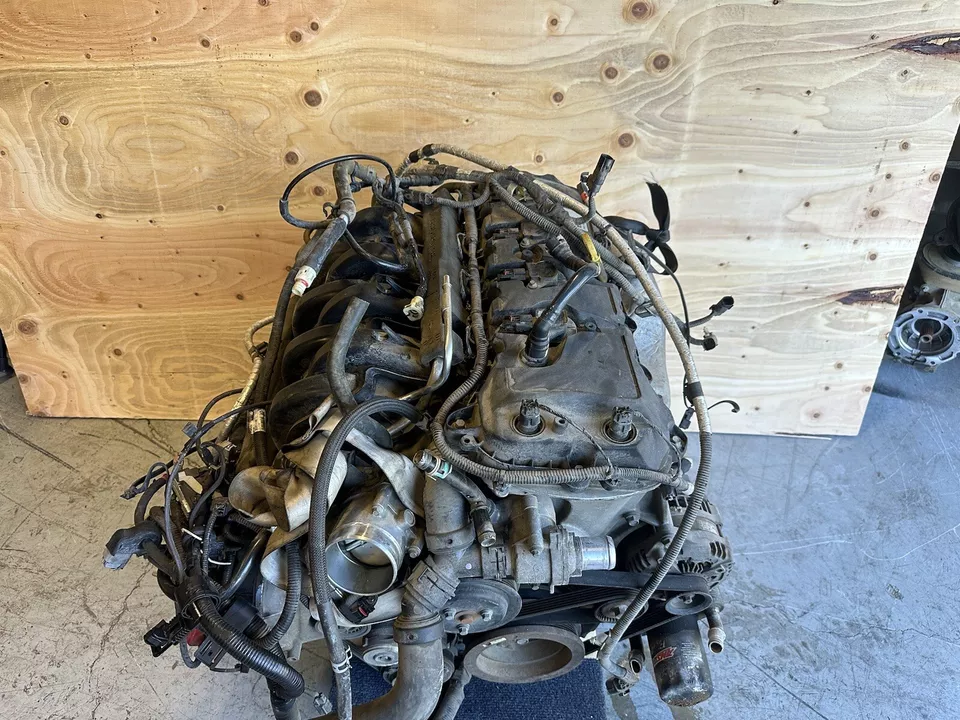
- Look at the product photos and compare the intake, sensors and brackets with your engine.
- Not sure? Send us your VIN or chassis number and we will confirm fitment before you pay. Our guide on how to find your engine code shows where to look.
If your car is a different model with the same 2AZ-FE code, the long block is usually the same, but you may need to move intake parts, sensors and brackets across from your old engine. Ask us and we will tell you honestly.
Signs your engine really needs replacing
Before you buy any Harrier ACU30W engine for sale, make sure the engine is actually finished. A lot of problems look serious but are cheap to fix.
Usually means a replacement engine
- A deep knock from the bottom end that gets louder under load.
- Low compression on one or more cylinders.
- Coolant in the oil, or oil in the coolant.
- Metal in the oil or the oil filter.
- A seized engine, or one that ran without oil or coolant.
- Water drawn in through the intake after driving through a flood.
Often fixable without a new engine
- Misfires. Check coils, plugs, injectors and vacuum leaks first.
- Overheating with no damage yet. Look at the radiator, thermostat, water pump and fans.
- Oil leaks. Gaskets and seals cost far less than an engine.
- Warning lights. Get the codes read. Many point to sensors, not the engine itself.
A compression test, a leak-down test and a scan for stored fault codes will tell you most of what you need to know. Send us the results with your engine code and we will tell you straight whether you need an engine.
Used engine, rebuild or new car?
Most people looking at a Harrier ACU30W engine for sale have already been told their old engine is finished. At that point there are three realistic options.
| Option | Good for | Watch out for |
|---|---|---|
| Used engine (like this one) | Lowest cost and the fastest repair, for a car worth keeping | Find and fix the cause of the old failure first |
| Rebuild your engine | When the block and head are sound and parts are easy to get | Labour time, and the car is off the road for longer |
| Replace the car | When the body, gearbox and electrics are also tired | Much higher cost than an engine |
For a Harrier with a sound body and gearbox, a used engine is usually the cheapest way back on the road. For taxi, delivery and fleet owners, it is often the quickest too, and every day off the road costs money.
Why buy an engine from a Japanese-market car?
This engine came from a car first registered in Japan. Japanese-market cars are often taken off the road earlier than in many other countries, partly because of the cost of Japan’s periodic vehicle inspections and partly because many owners simply change cars often. As a result, a lot of used engines from Japanese cars come out of vehicles that were regularly serviced and driven on good roads.
That does not make every Japanese engine perfect, and nobody should promise that. What it does mean is that a Harrier ACU30W engine for sale from a Japanese donor car is a sensible starting point, as long as you still check the engine code, the model code and the photos, and fit it properly. Japanese-market engines can also differ from export versions in emissions parts, wiring and engine computers, which is another reason to match the model code.
Fitting tips for this engine
- Prime the oil system before the first start.
- Fill and bleed the cooling system properly, and check the radiator, thermostat, water pump and fans.
- Fit new spark plugs and check the ignition coils.
- Move parts across from your old engine where needed: sensors, intake parts, brackets and ancillaries.
- Check the intake for split hoses and a damaged air filter, so dust cannot get in.
- Clear fault codes and check for new ones after a test drive.
Parts to replace while the engine is out
- Oil filter and fresh oil of the grade Toyota specifies.
- Coolant, thermostat and any perished hoses.
- Gaskets and seals disturbed during the swap.
- Spark plugs on petrol engines, or injector seals on diesels.
- Air filter, and any damaged intake hoses.
- Drive belts, if they are cracked or worn.
Common mistakes when replacing an engine
Most problems after an engine swap have nothing to do with the replacement engine itself. They come from things that were missed during the job. These are the ones we see people worry about most.
- Not fixing the cause. If the old engine overheated because of a blocked radiator or a failed fan, the new one will overheat too.
- Reusing old hoses and gaskets. A cheap perished hose can ruin an engine in minutes.
- Skipping the oil priming. Starting a dry engine wears bearings and, on turbo engines, the turbo.
- Mixing up versions. Fitting an engine from a different model without moving the right sensors and intake parts across leads to warning lights and poor running.
- Air in the cooling system. Trapped air causes hot spots and overheating in the first few drives. Bleed it properly.
- Ignoring the gearbox and mounts. A worn clutch, slipping automatic or tired engine mounts can make a good engine feel bad.
Avoid these and a used Harrier ACU30W engine for sale has every chance of giving many more years of service.
The first drives after fitting
The first few hundred kilometres are when any fitting problem shows up, so it pays to be careful.
- Idle check. Let the engine reach normal temperature at idle. Watch the temperature gauge and check for leaks of oil, coolant and fuel.
- Short test drive. Drive gently, then check the oil and coolant levels again once the engine has cooled.
- Scan for codes. Read any stored fault codes and fix the causes, such as a sensor that was not plugged in.
- Check the cooling fans. Make sure they switch on as the engine warms up, especially in hot weather or traffic.
- Early oil change. Many workshops change the oil and filter early after an engine swap, to remove any dirt from fitting.
- Keep records. Note the date, mileage and work done. You will need them for the warranty.
Hot climates, cold climates and city driving
Where and how the car is driven changes what you should check when the new engine goes in.
- Hot climates: keep the radiator clean, check that the cooling fans work, and replace a tired thermostat. Heat is the most common killer of engines everywhere.
- Cold climates: use the right coolant mix for your winters, and make sure the battery and starting system are healthy.
- City and short trips: the engine may not get fully hot, so moisture and fuel build up in the oil. Shorter oil change intervals are the cheapest protection.
- Dusty roads: check every clamp and hose between the air filter and the engine. A split hose lets dust wear the engine out quickly.
Looking after the engine once it is fitted
- Oil: use the grade Toyota specifies, and check the level every few weeks for the first few thousand kilometres.
- Coolant: use the correct type and keep the level right. Most engine failures start with heat.
- Air filter: change it on time, and more often on dusty roads.
- Warning lights: do not ignore them. Get the codes read straight away.
- Service records: keep every receipt. They help with the warranty and add value when you sell.
What makes up the total cost
| Cost item | What to ask |
|---|---|
| Engine | The price shown on this page |
| Crating and freight | To your door, port or workshop? Insured? |
| Duties and taxes | What does your country charge on an imported engine? |
| Fitting parts | Gaskets, filters, oil, coolant, plugs or injector seals |
| Labour | Fixed price or hourly? Experience with this engine? |
Ask us for a delivered quote to your country before you buy.
What to ask before you buy any used engine
Buying this Harrier ACU30W engine for sale or a used engine from anyone else? Ask these questions first.
- Which car did it come from? Here it is a 2004 Toyota Harrier, model code CBA-ACU30W.
- What is the part number? None was recorded for this unit, so match by engine and model code.
- What is attached? Look at the photos and ask which sensors, intake parts and ancillaries are fitted.
- Is it the right version? The same engine code can differ between models and years.
- What happens if it arrives damaged? Read the shipping and warranty terms before paying.
How ordering works
- Check fitment. Confirm your engine code and model code, or send us your VIN or chassis number.
- Ask for a delivered quote. Tell us your country and whether you want delivery to a port, workshop or door.
- Pay and book the workshop. Order gaskets, filters, oil and coolant at the same time.
- Inspect on arrival. Photograph the crate and engine straight away and report any freight damage.
- Fit and test. Then check the oil and coolant levels regularly for the first few thousand kilometres.
Most buyers of a Harrier ACU30W engine for sale want a working car back as quickly as possible, so it helps to have the workshop booked for the week the engine lands.
Shipping worldwide
We ship this Harrier ACU30W engine for sale anywhere in the world. Import duties and taxes are paid by the buyer, and a local clearing agent can tell you the landed cost before you order. Some countries record engine numbers on the registration, so keep the invoice and serial number safe. Our shipping policy explains freight and damage claims, and our warranty policy and return and refund policy explain your cover. The warranty requires fitting by a licensed mechanic.
More engines you may need
- Alphard 2AZ-FE Engine For Sale: 2AZ-FE 2.4 (2010 Toyota Alphard, ANH20W)
- Alphard ANH25W Engine For Sale: 2AZ-FE 2.4 (2010 Toyota Alphard, ANH25W)
- Toyota Estima Engine For Sale: 2AZ-FE 2.4 (2009 Toyota Estima, ACR55W)
- Toyota Blade Engine For Sale: 2AZ-FE 2.4 (2009 Toyota Blade, AZE156H)
- Mark X Zio Engine For Sale: 2AZ-FE 2.4 (2010 Toyota Mark X Zio, ANA10)
- Toyota Harrier Hybrid Engine For Sale: 2AR-FXE 2.5 Hybrid (2015 Toyota Harrier Hybrid, AVU65W)
- Toyota 2AZ-FE Engine For Sale
- Toyota 2GR-FE Engine For Sale (Lexus RX 2009, GGL10W)
Browse all Toyota engines for sale and used engines. Before you buy, read our guide to buying a used engine.
Harrier ACU30W Engine For Sale: FAQ
Which cars does this engine fit?
It is a 2AZ-FE from a 2004 Toyota Harrier (ACU30W), so it is the direct match for that car. Other models with the same engine code can usually use it, sometimes with parts moved across from your old engine. Send us your VIN to confirm.
How much is this engine?
The current price is shown at the top of this page. Ask us for a delivered quote to your country.
Do you ship worldwide?
Yes. Send us your delivery country for a freight quote. Duties and taxes are paid by the buyer.
Is there only one available?
Yes. This is a single used engine. When it sells, the listing closes, but we may have other 2AZ-FE engines listed.
Will this 2AZ-FE fit a Camry or RAV4?
The long block is the same family, but intake, sump, mounts and wiring differ. Send us your VIN and we will tell you what needs to move across.
Is the 2AZ-FE the same as the 2AR-FE?
No. The 2AR-FE is the newer 2.5 litre engine that replaced the 2AZ-FE in many models. They are not interchangeable.
Ready to order? Add this Harrier ACU30W engine for sale to your cart, or contact us for a delivered quote with your VIN and delivery country.
Reviews
There are no reviews yet.